



BLOG

2025-12-08
2026 Internet-Based Special Rectification Plan for Pesticide Operations
2026 Internet-Based Special Rectification Plan for Pesticide Operations

2025-12-08
Notice on the Renewal of Terms and Call for Members of the Subtechnical Committee on Biological Pesticides under the National Technical Committee for Standardization of Pesticides
Notice on the Renewal of the Sub-Technical Committee on Biological Pesticides of the National Technical Committee for Standardization of Pesticides and Call for Members

2025-11-19
AI-Powered Pesticide R&D: A Global Race and China’s Breakthrough
Driven jointly by food security and sustainable development, artificial intelligence is reshaping the R&D paradigm for pesticide development. The traditional pesticide R&D model—characterized by "high investment, long development cycles, and high risks"—is gradually shifting toward AI-driven computational design workflows. Globally, AI has become a crucial technology for enhancing the efficiency and accuracy of pesticide R&D.
2024-09-19
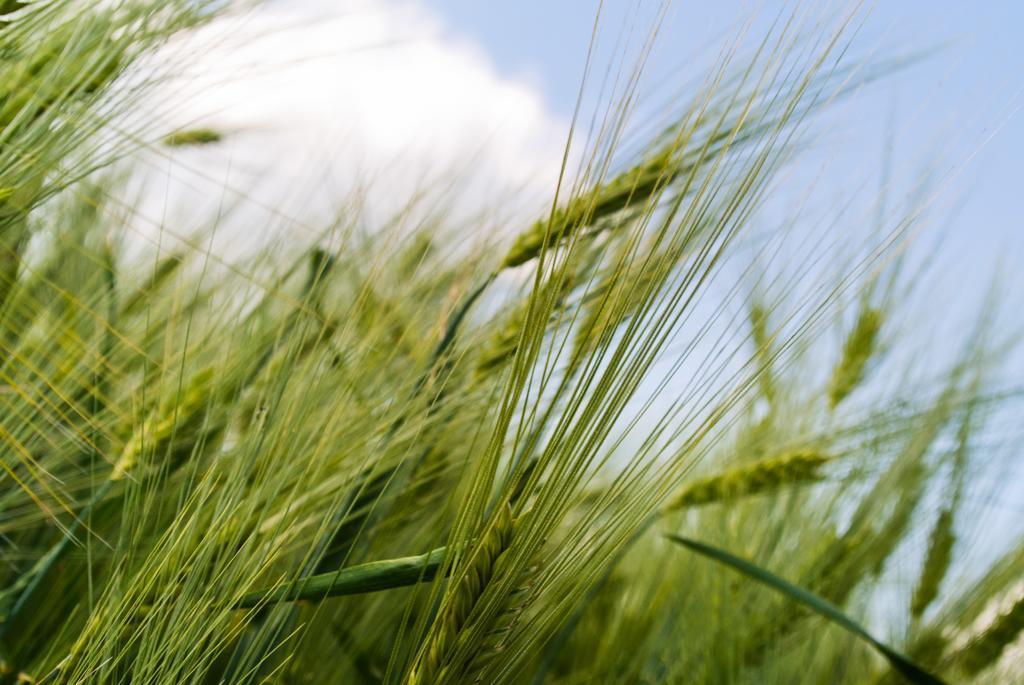
Which herbicides can still be used after wheat emergence?
Wheat is one of the important crops in China, and herbicides are one of the important pesticides in the agricultural production process. However, wheat has a long growing process and requires the use of several herbicides for its control. There are still some specific types of herbicides that can be used after wheat is pulled.

2024-09-19
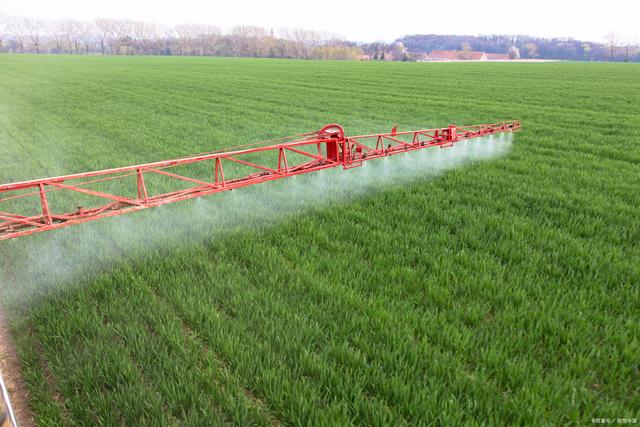
Methods of preventing pests in agricultural fields
Strategies for selecting the best pesticide should take into account the type of pest, crop species, environmental conditions, and the need for sustainability. Chemical pesticides, although effective, may lead to environmental problems and pest resistance when used over a long period of time; biopesticides and physical control methods are more environmentally friendly, but may take longer to see results. Therefore, a combination of these methods, flexibly adapted to specific situations, is an effective strategy for achieving on-farm pest control.
2024-09-19
Pesticide Toxicity Classification Criteria
The toxicity classification standard of pesticides is mainly based on the lethal dose (LD50) or lethal concentration (LC50), the larger the LD50, the less toxic; on the contrary, the smaller the LD50, the greater the toxicity. Acute toxicity classification standards are based on the pesticide on the experimental animals (such as mice) to determine the LD50. For example, the LD50 for highly toxic pesticides is less than 5 mg/kg body weight, the LD50 for highly toxic pesticides is between 5 mg/kg body weight and 50 mg/kg body weight, and so on.


Contacts
Telephone: 86-513-84543278 / 84543408
Fax: 86-513-84414369
Factory address: No. 20 Huanghai 2nd Road, Chemical Industry Park, Coastal Economic Development Zone, Rudong County, Jiangsu Province, China.
Office address: Room 416, No. 99 Jinggangshan Road, Jugang Town, Rudong County, Jiangsu Province, China.

Mobile phone official website